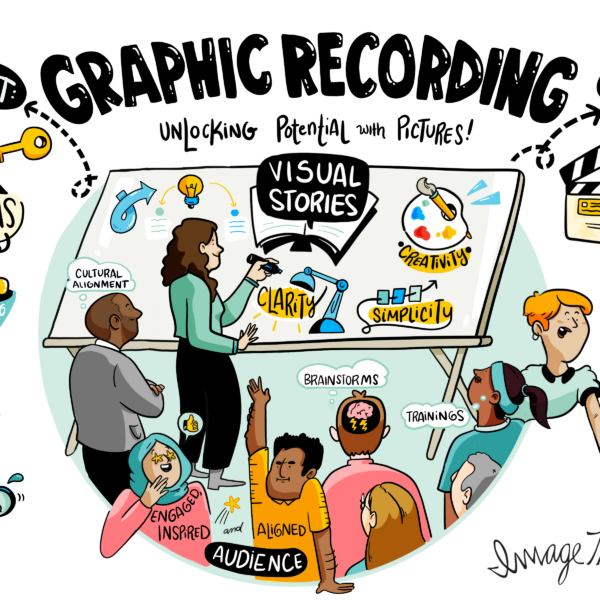
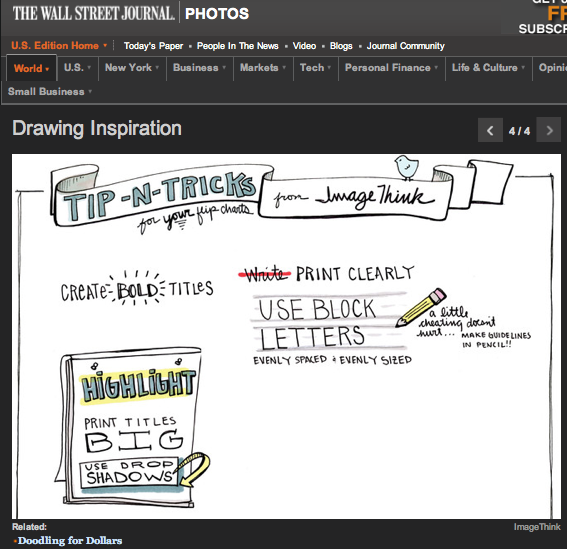
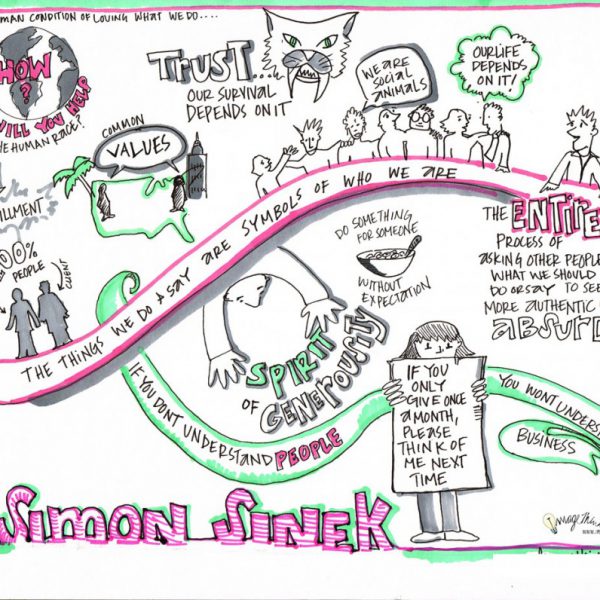
A strong announcement can still fall flat. Not because the news is not real, or the timing is off — but because a wall of text asks too much of the people you most need to reach.
That is the quiet problem a visual press release is built to solve. By translating key messages into clear, structured sketches, PR teams can turn updates into stories that are faster to scan, easier to share, and more likely to earn coverage. Put the point front and center — stop asking journalists and stakeholders to dig for it.
Why Traditional Press Releases Struggle to Break Through
Traditional releases compete with crowded inboxes, shrinking attention spans, and nonstop content. Even when the news is genuinely solid, the format can feel dense, generic, and easy to skip. Editors move quickly. If the angle does not surface in the first few seconds, the story often does not surface at all.
That is where a visual press release stands out. Using hierarchy, icons, layout, and concise copy, it makes the story easier to understand at a glance. For time-poor editors and internal teams alike, that kind of visual communication reduces friction — and that reduction is what moves a pitch from the delete folder to the front page.
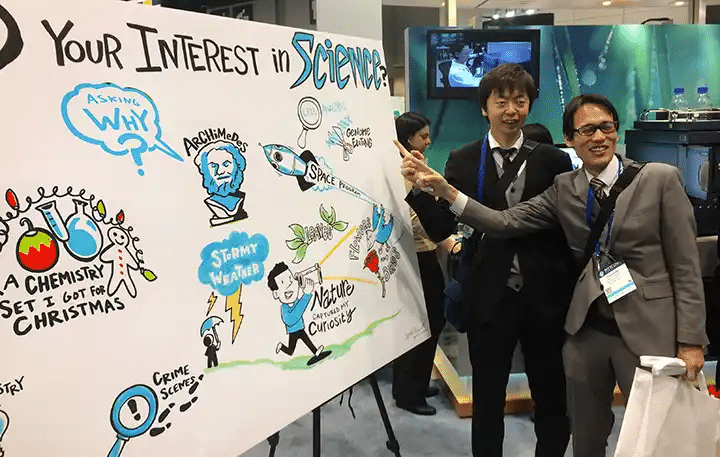
How Visual Press Release Sketches Work
A visual press release sketch turns the key message into a one-page visual narrative. Instead of leading with long paragraphs, it highlights the headline, core proof points, timeline, quotes, and next steps in a format that feels immediate and usable. Think of it as a bridge between a press release and an explainer graphic.
The sketch does not replace substance — it organizes it. And in our experience helping organizations picture their biggest ideas for over 17 years, that distinction matters. PR visuals that are built with strategic intent become more useful for media kits, social posts, executive sharing, and campaign rollouts than any text-only announcement ever could.
When to Use a Visual Press Release
This format works especially well for product launches, company milestones, partnerships, event announcements, research findings, and public-facing initiatives. If the story has multiple moving parts — or needs quick understanding across different audiences — a visual press release can do the heavy lifting.
It is also the right choice when brand storytelling is at stake. A funding round, anniversary, new service, or major event all benefit from a format that shows the bigger picture instead of listing facts in isolation. The goal is not just to inform. It is to make the announcement feel like a moment worth paying attention to.
Before vs. After: Text-Only vs. Visual Press Release
| Text-Only Press Release | Visual Press Release |
| Long paragraphs, buried angle | Headline and core message front and center |
| Journalists must dig for the point | Story understood in seconds |
| Easy to ignore in a crowded inbox | Visual hierarchy pulls attention immediately |
| Shared as a PDF attachment | Shareable as image, social asset, or campaign graphic |
| Message diluted in re-telling | Visual metaphor keeps the narrative intact |
Benefits of Using a Visual Press Release
Higher engagement
Images are processed dramatically faster than text. When a journalist or editor encounters a compelling sketch alongside a release, they engage with the story on a deeper level, faster. That speed is the difference between a pickup and a pass.
Improved media pickup
Editors are always looking for images to run with a story. A visual press release delivers that asset before they ask. It removes a step from their process, which makes your announcement easier to publish — and more likely to be.
Stronger message control
When the story is embedded in a visual, the key message travels intact. Sketches do not get paraphrased. The image tells the story as intended — clearly and consistently across every channel it touches. That is the value of disciplined visual communication.
Make Your Next Announcement Impossible to Ignore
What Makes an Effective Visual Press Release
An effective visual press release starts with one clear idea. From there, it uses strong hierarchy, short copy blocks, relevant data, and a visual metaphor that fits the story. The goal is not decoration. The goal is understanding — and the best versions balance creativity with discipline.
The layout should be easy to scan. The quote should be worth repeating. The call to action should be obvious. Strong PR visuals feel sharp, not cluttered. When the sketch earns its place on the page, the whole release becomes more persuasive — not because it looks good, but because it thinks clearly.
The Role of Sketching and Visual Metaphors
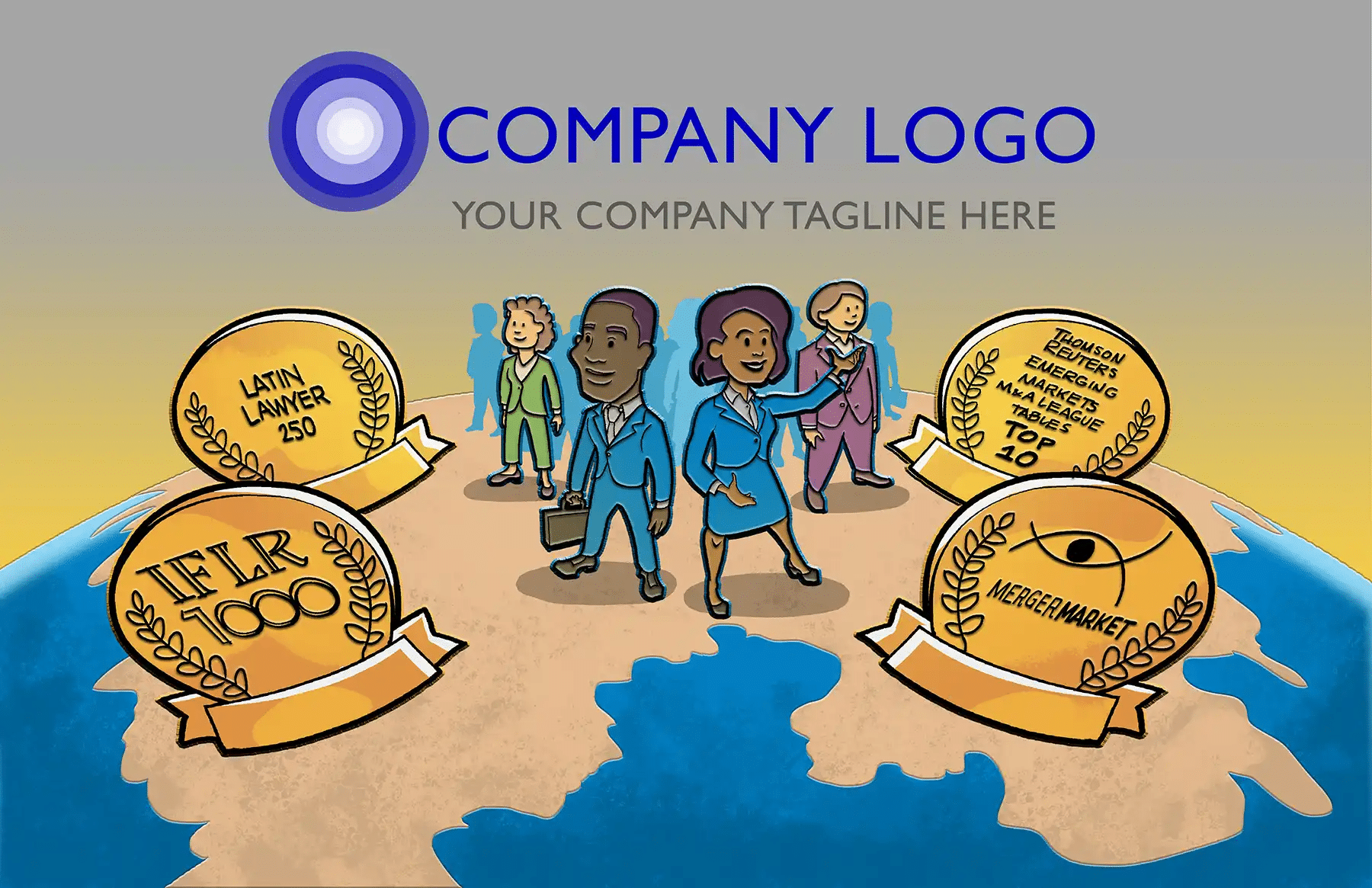
Sketching helps simplify complexity without flattening the message. A strong visual metaphor can turn an abstract announcement into something concrete: a roadmap for a product launch, a bridge for a partnership, a spotlight for a milestone. These images do not just decorate a release — they give it a spine.
This is where visual storytelling becomes strategic. The right sketch helps journalists, stakeholders, and internal teams understand the shape of the story faster and remember it longer. In our work with organizations across industries, we have seen how a single well-chosen image can carry a campaign’s entire narrative.
Sample Visual Press Release Layout
- Headline Eight words or fewer — front-loaded with the core idea
- Why it matters One or two sentences that frame the announcement’s significance
- Three proof points Concrete, scannable, and specific
- Quote One strong voice — not three competing ones
- Timeline or process sketch Visual metaphor that gives the story shape
- CTA and media contact Clean, minimal, and always present
Formats, Collaboration, and Common Mistakes
A visual press release can take several forms: a sketched one-pager, a digital summary graphic, a storyboard-style announcement, or a campaign asset paired with a traditional release. The right format depends on the audience, channel, and complexity of the story. What stays constant is the discipline — one central idea, one clear visual direction.
Collaboration is where this work lives or dies. PR leads bring message, timing, and approvals. Visual facilitators bring structure, metaphor, and flow. The most common mistakes are overloading the page, forcing weak visuals, or treating the sketch like a poster instead of a communication tool. When teams align early, the result is a release that earns attention — and keeps it.
Measuring the Impact of a Visual Press Release
To measure results, track pickup, clicks, shares, time on page, and how often the asset gets reused in decks, newsletters, and social content. A visual press release should not only look good — it should help the story land, stick, and spread. Those are the metrics that prove its value to the business.
Used well, this format becomes part of a broader PR system. It strengthens brand storytelling, supports modern visual communication, and gives teams a repeatable way to package news for real people. The press release is not dead. It has evolved. And organizations that understand how people actually process information are already using visual storytelling to stay ahead.
Planning Checklist: Before Your Visual PR Announcement
- Define the one core message your audience must take away
- Choose the primary audience and channel before designing the layout
- Gather proof points, a strong quote, and a clear CTA
- Select a visual metaphor that fits the story — not just the brand
- Align approvals early so the visual and copy develop together
- Plan reuse: social, internal decks, media kit, and post-event content
People Also Ask
Do visual press releases improve media coverage?
They can improve pickup by making the story faster to understand and easier to share. When an editor can see the angle immediately, the path to publication is shorter.
How do you create a visual press release?
Start with the core message, key proof points, quote, and CTA — then organize them into a clear visual structure with a metaphor that gives the story shape. Brief your visual and PR teams together from the start.
Are visual press releases better than traditional ones?
They are often more effective for attention and clarity, but they work best when paired with strong reporting and solid source material. The visual amplifies the story — it does not replace it.
What types of announcements benefit from visual storytelling?
Launches, milestones, partnerships, events, and research announcements are all strong candidates. Any story with multiple moving parts — or one where the stakes are high and clarity is critical — is worth picturing.