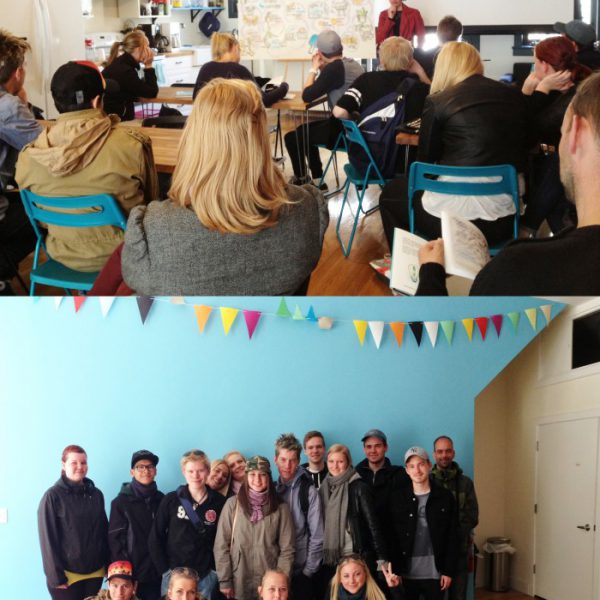
Inclusive meetings don’t happen by accident. Even with the best intentions, groups default to familiar patterns: a few voices dominate, quieter thinkers hold back, and the conversation drifts toward whoever speaks fastest.
A participation model is how you interrupt that default. It’s the structure that decides who speaks when, how ideas are gathered, and how decisions get made—so inclusive dialogue becomes a design choice, not a hope.
This guide breaks down common participation models, when to use them, and how to choose the right one for your meeting, workshop, or event.
Why Participation Models Matter for Inclusive Dialogue
When participation is unstructured, you don’t get “open conversation.” You get power dynamics. Titles, personalities, cultural norms, and time pressure shape who contributes.
A clear participation model creates guardrails for group engagement. It protects airtime, makes space for different processing styles, and improves team engagement by giving everyone a predictable way to contribute.
What Is a Participation Model?
A participation model is a repeatable format for how people contribute during a session—individually, in pairs, in small groups, or as a full group. It includes the rules of interaction, the flow of activities, and the way input is captured.
Think of it as workshop design at the conversation level. You’re not just planning topics; you’re planning the path ideas take from individuals to the group.
Common Participation Models Used in Workshops & Meetings
Most facilitation techniques pull from a handful of proven participation model patterns. Here are a few that work across industries.
1. Round robin: each person shares in turn. Great for quick check-ins and balanced airtime.
2. Think–pair–share: individuals reflect, then discuss in pairs, then share highlights with the group. Strong for inclusive dialogue because it lowers the risk of speaking up.
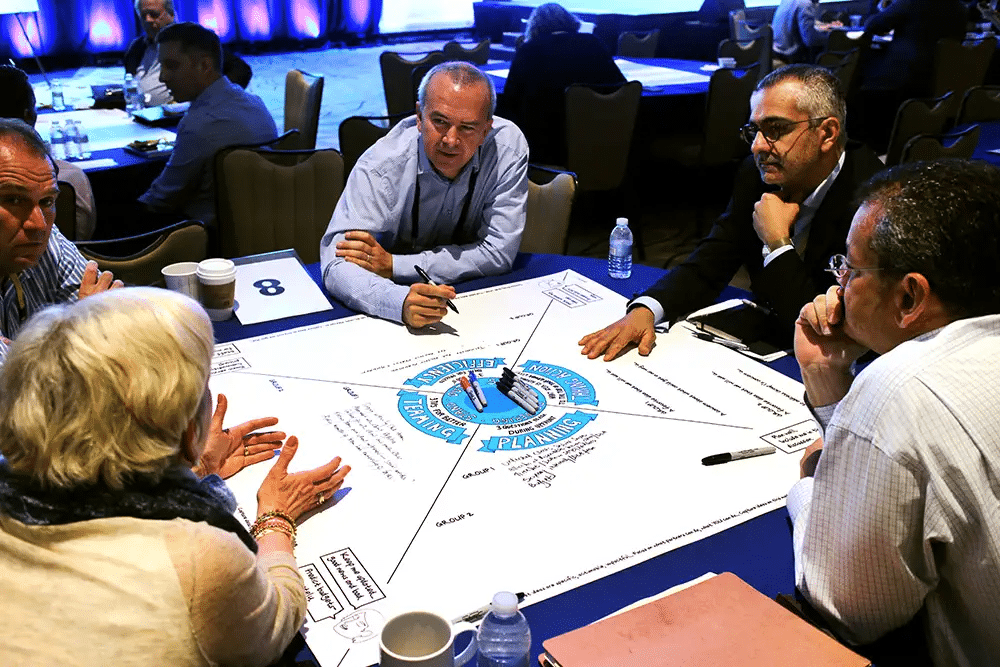
3. Small-group breakouts: groups of 3–6 discuss a prompt and report back. Useful for group engagement in larger meetings.
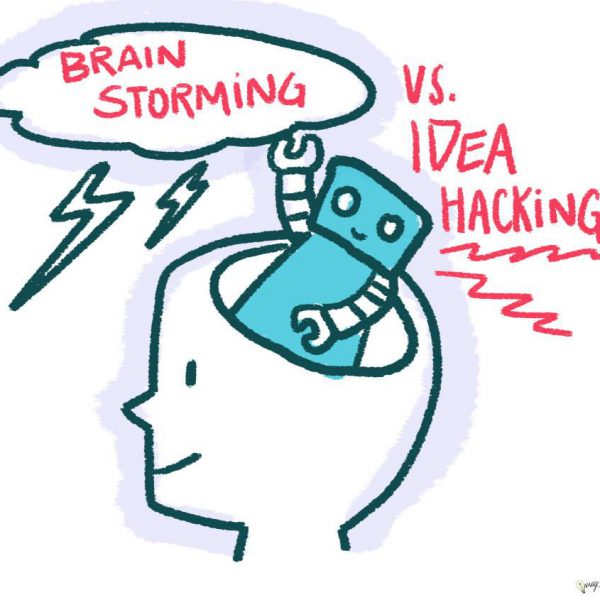
4. Silent brainstorm + clustering: people write ideas quietly, then themes are grouped. This supports equity by separating idea generation from verbal confidence.
5. Fishbowl: a small group discusses while others observe, then seats rotate. Helpful when you need depth without losing inclusion.
How to Choose the Right Participation Model
The best participation model depends on constraints, not just preferences. Start by answering a few practical questions.
First, what’s the outcome: idea generation, alignment, decision-making, or learning? Different models optimize for different outputs.
Second, what’s your group size and time? A round-robin that works for 8 people collapses at 40. Breakouts can scale, but they need clear prompts and tight reporting.
Third, what’s the risk level of the topic? The higher the stakes, the more you need structure that protects psychological safety and supports inclusive dialogue.
Participation Models That Encourage Inclusive Dialogue
If your goal is inclusion, choose models that reduce “public performance pressure” and increase clarity.
A strong default is a participation model that starts with individual reflection, then moves to pairs, then to small groups, and only then to full-group synthesis. This sequence improves team engagement because everyone enters the conversation with something prepared.
Another option is structured turn-taking with time boxes. It sounds simple, but it’s one of the most reliable facilitation techniques for preventing airtime imbalance.
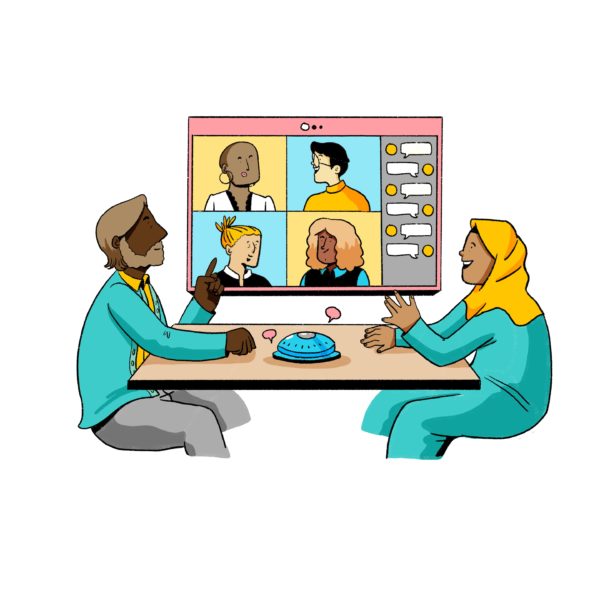
For hybrid sessions, use a participation model that makes remote contributions equal—such as silent brainstorming in a shared space before anyone speaks. This prevents in-room voices from setting the agenda.
Turn Discussion Into Action
Case Examples: When to Use Different Participation Models
Use a round-robin when you need fast alignment on what matters most, like “What’s one risk we can’t ignore?” It keeps group engagement high without requiring long explanations.
Use think–pair–share when you’re asking for honest input, like “What’s not working in our process?” Pairing helps people test ideas before sharing.
Use silent brainstorm + clustering when you want breadth and equity, especially in cross-functional groups where hierarchy can suppress participation.
How Visual Tools Enhance Participation Models
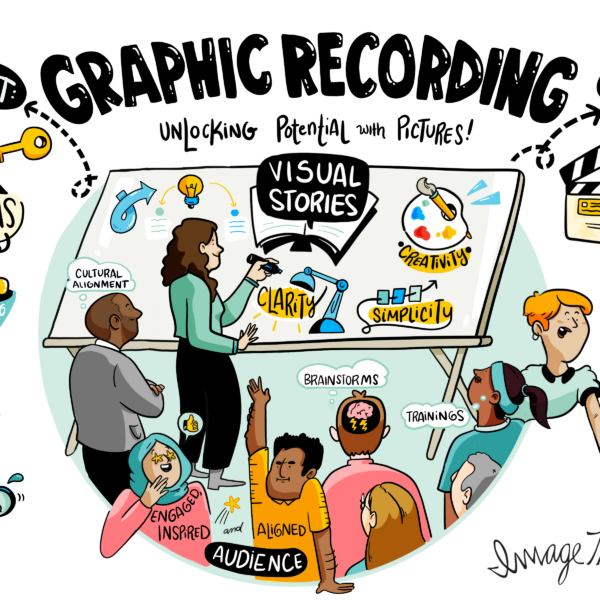
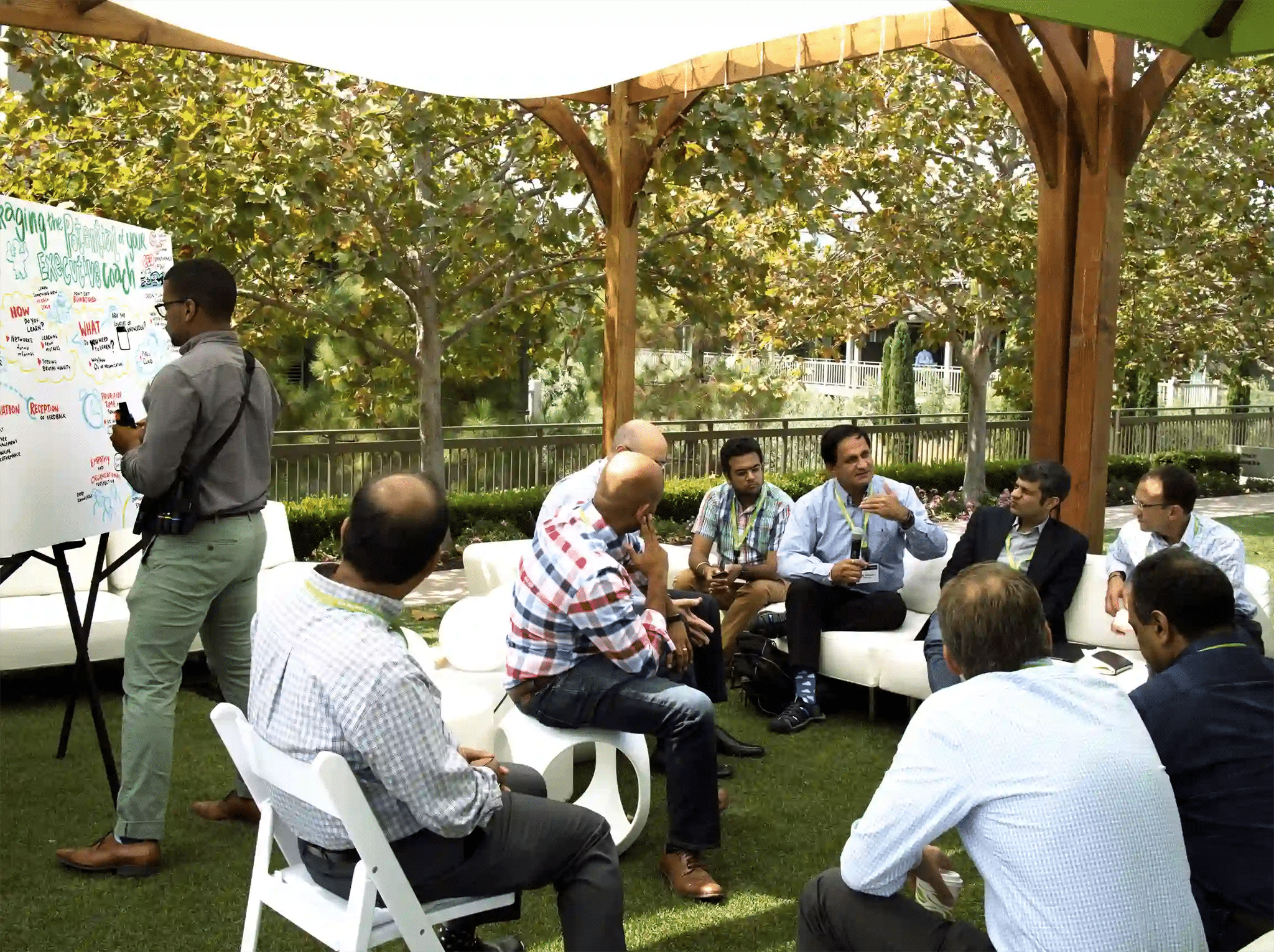
A participation model works better when people can see the conversation. Visual capture turns scattered comments into shared meaning.
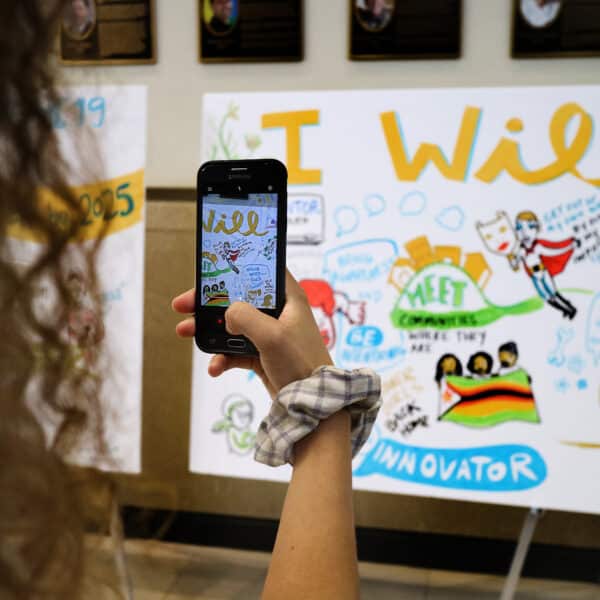
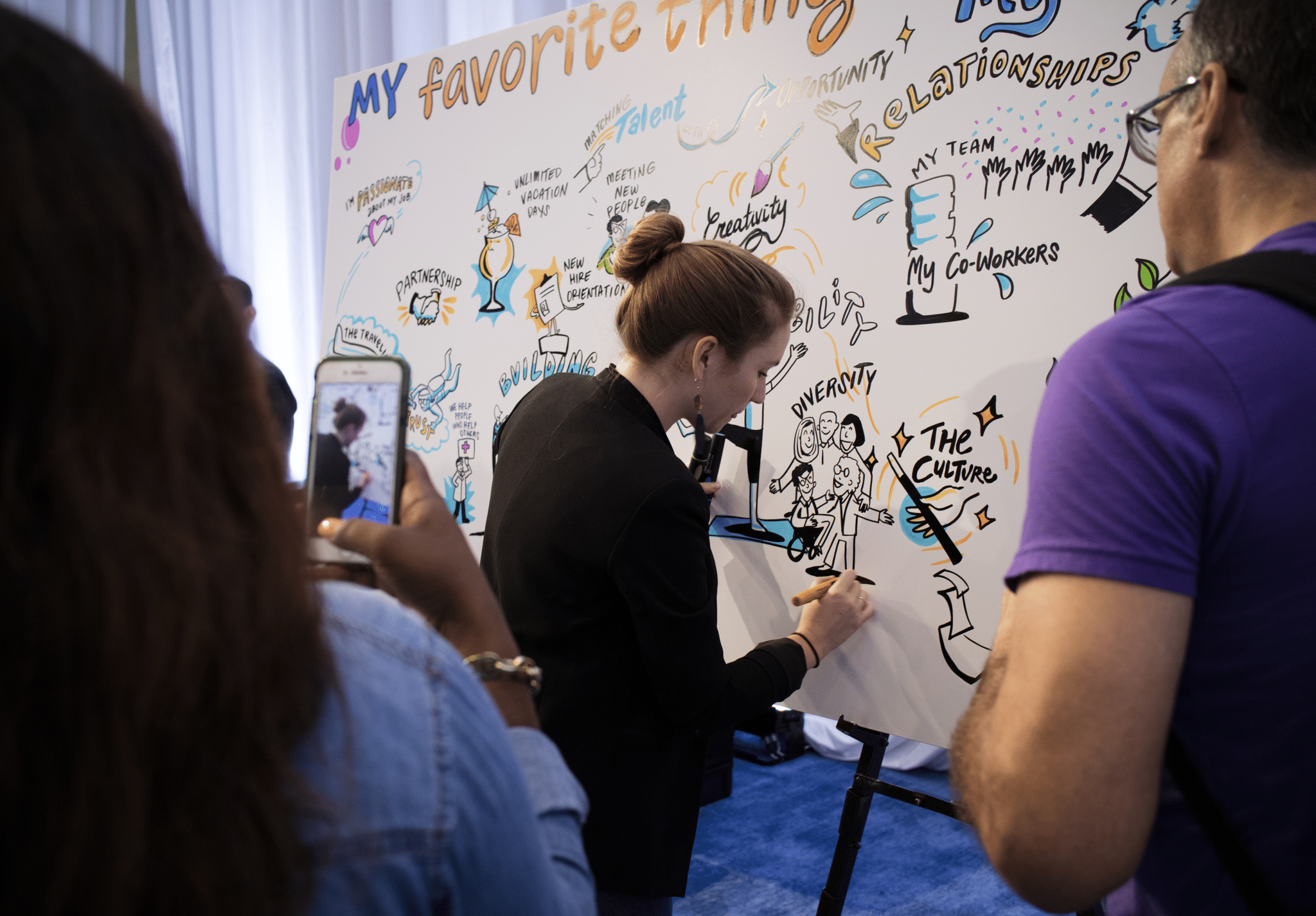
Visual facilitation supports inclusive dialogue by making contributions visible, not just audible. When ideas are mapped in real time, quieter participants can point to what they mean, and the group can correct misunderstandings immediately.
It also strengthens workshop design because the output becomes a reusable artifact—clear themes, decisions, and next steps—rather than a meeting that disappears into notes.
Mistakes to Avoid When Choosing a Participation Model
One common mistake is choosing a participation model that’s too “open” for the time available. If you have 60 minutes, you need structure that converges, not endless discussion.
Another is using breakouts without a synthesis plan. Without a clear way to report back, you get fragmented input and low team engagement.
Finally, avoid mixing too many models. A few well-chosen participation model shifts are better than constant format changes that confuse participants.
Measuring the Success of Your Participation Model
You don’t need a complicated survey to evaluate whether a participation model worked. You need a few signals that tell you whether the structure actually produced inclusive dialogue and usable outcomes.
Start with participation equity. Did you hear from a broad range of voices, or did the same people carry the conversation? If you used breakouts or silent input, did those ideas make it into the full-group synthesis?
Next, look at quality of output. Did the group leave with clearer decisions, stronger ideas, or more alignment than they would have with an unstructured discussion? A strong participation model should reduce rework and follow-up meetings.
Finally, measure follow-through. Track whether action items were understood and owned. If your team engagement drops immediately after the session, the model may have created activity without commitment.
Participation Models Are the Foundation of Inclusive, Engaging Dialogue
If you want inclusive dialogue, you need to design for it. The right participation model creates equity in airtime, improves group engagement, and helps teams move from conversation to clarity.
When you plan your next meeting or workshop design, don’t just ask, “What should we talk about?” Ask “How will people participate?” That’s where inclusion starts.